



In this guide, readers discover when and where the region's biggest festivals happen, how to reach each venue, how many days to plan, what to eat, and what stories make each festival special. It is written for tour operators, travel agents, and serious travellers who want to design smart festival departures across Sikkim, Bhutan, Assam, Meghalaya, Arunachal Pradesh and Nagaland.
Best time & duration
Dates: 1–10 December every year.
Ideal stay: 2–3 full days to see cultural shows, music, and explore villages.
Where & how to reach
Top local dishes to try
Stories & fun facts
Why travellers love it
Best time & duration
Where & how to reach
Top local dishes to try
Stories & fun facts
Why travellers love it
Best time & duration
Where & how to reach
Top local dishes to try
Stories & fun facts
Why travellers love it
Best time & duration
Where & how to reach
Top local dishes to try
Stories & fun facts
Why travellers love it
Best time & duration
Where & how to reach
Top local dishes to try
Stories & fun facts
Why travellers love it
Best time & duration
Where & how to reach
Top local dishes to try
Stories & fun facts
Why travellers love it
Best time & duration
Where & how to reach
Top local dishes to try
Stories & fun facts
Why travellers love it
Best time & duration
Where & how to reach
Top local dishes to try
Stories & fun facts
Why travellers love it
Best time & duration
Where & how to reach
Top local dishes to try
Stories & fun facts
Why travellers love it
Best time & duration
Where & how to reach
Top local dishes to try
Stories & fun facts
Why travellers love it
Best time & duration
Where & how to reach
Top local dishes to try
Stories & fun facts
Why travellers love it
Best time & duration
Where & how to reach
Top local dishes to try
Stories & fun facts
Why travellers love it
Contact us for B2B rates, blocked festival departures and custom itineraries across Eastern Himalaya & North East India.
Festival Calendar of the Eastern Himalaya: 12 Spectacular Reasons to Plan a Trip
Festivals covered – one-line snapshot
Detailed festival guide with timings, access, food & stories
1. Hornbill Festival (Nagaland)
.jpeg)
Venue: Naga Heritage Village, Kisama, 12 km from Kohima.
Nearest airport/rail: Dimapur (DMU), connected to Kolkata, Delhi, Guwahati.
From Dimapur: shared taxis and buses take 3–4 hours to Kohima; festival shuttles or local taxis continue to Kisama.
Smoked pork with axone (fermented soya) – the rock star of Naga cuisine.
Bamboo shoot curries, sticky rice, local millets, chutneys with king chilli – fiery but unforgettable.
Created in 2000 as a way to bring all Naga tribes together and promote peace, it is now branded India's "Festival of Festivals."
Visitor numbers have crossed over 1.3 lakh in the first week alone in recent editions, with tourists from across India and abroad.
You can see decades of Naga culture, try dishes you won't pronounce on the first attempt, and still end your day at a rock concert – all in one place.
2. Ziro Festival of Music (Arunachal Pradesh)
Dates: usually late September over 4 days; exact dates vary by year.
Ideal stay: 4 days at the festival plus 1–2 days extra for valley and village exploration.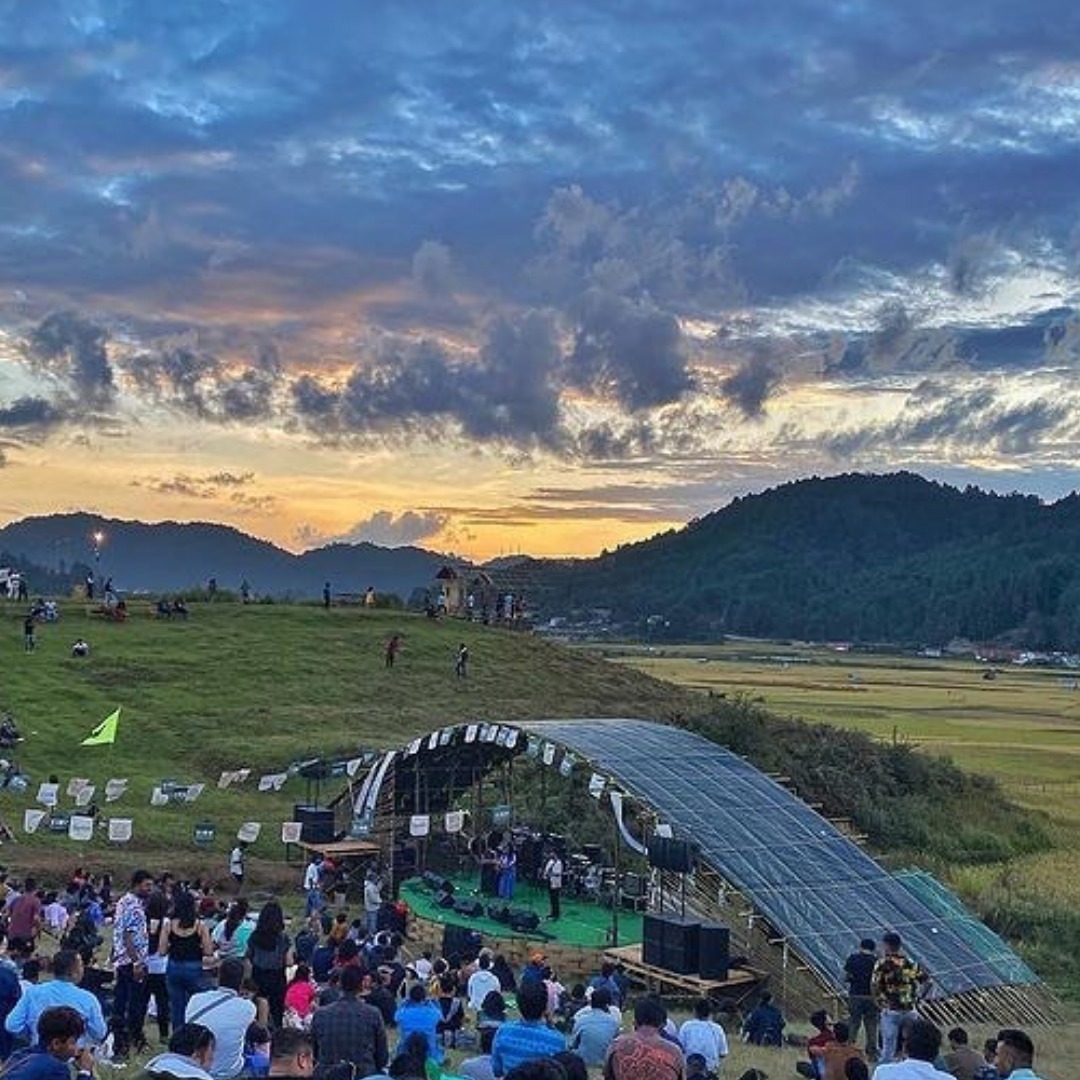
Venue: around Ziro / Hapoli in Ziro Valley, home of the Apatani tribe.
Nearest airports:
• Donyi Polo Airport, Itanagar – about 120 km / 4–5 hours by road.
• Guwahati or Dibrugarh as big gateways, then train/road to Naharlagun/Ziro.
Local rice beer (apong), smoked pork, bamboo-tube rice, and boiled organic vegetables.
Simple, earthy food that pairs perfectly with music and chilly evenings.
Celebrated as one of India's most eco-friendly festivals, using bamboo stages and local materials.
Attracts a mix of Indian and international bands and travellers; many call it a once-in-a-lifetime "hidden valley" experience.
You listen to indie music while standing in a golden paddy field, with misty hills on all sides – it feels less like a festival and more like a well-kept secret.
3. Paro Tshechu (Bhutan)
Typical dates: March or April, 4–5 days; dates follow the lunar calendar and vary each year.
Ideal stay: 3 festival days plus 3–5 more days for Paro, Thimphu and Tiger's Nest.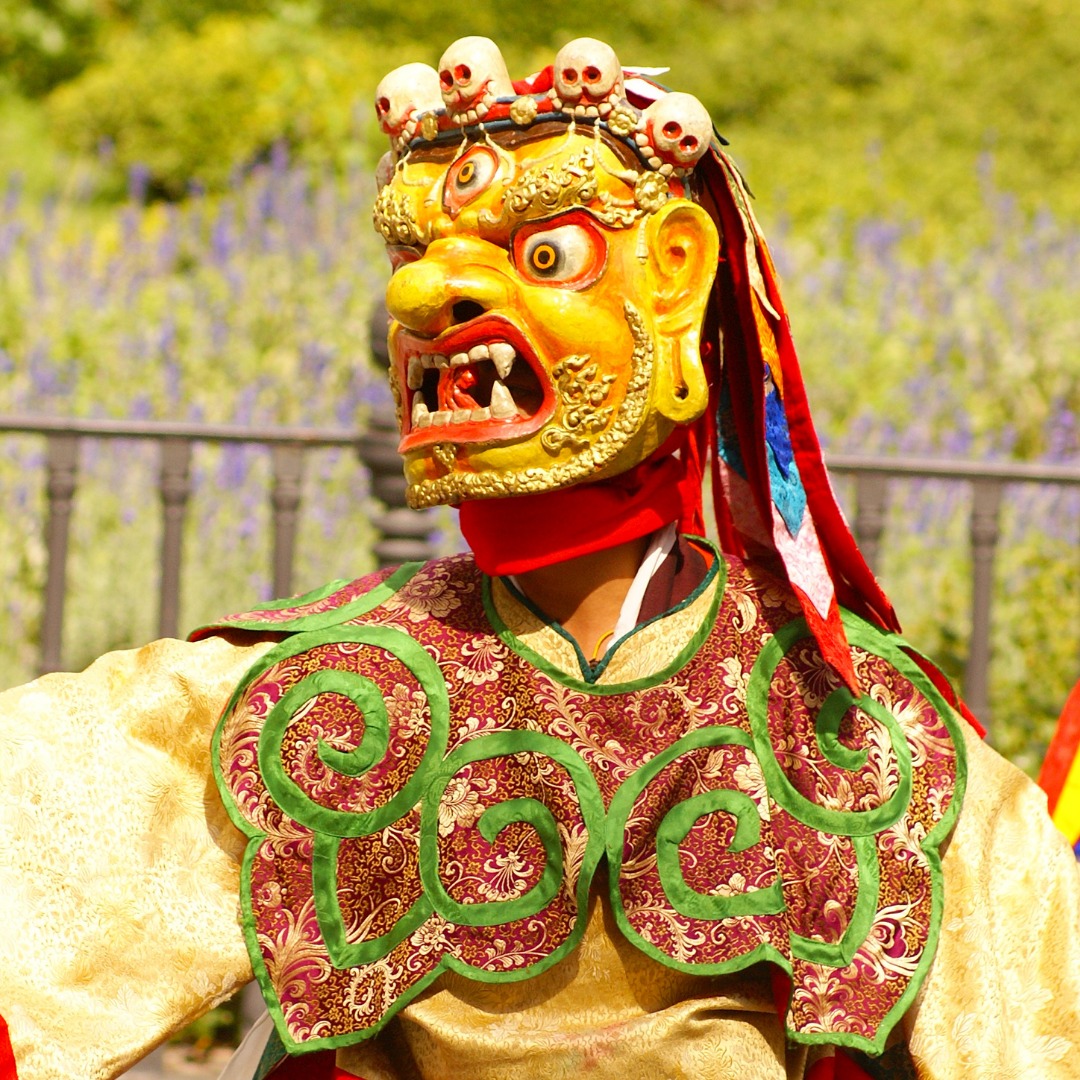
Venue: Paro Rinpung Dzong and festival ground nearby.
Nearest airport: Paro International Airport, connected to Delhi, Kolkata, Bagdogra and Guwahati by Drukair/Bhutan Airlines.
Ema datshi (chilli-cheese stew), phaksha paa (pork with radish or chillies), and suja (butter tea).
Local sweets and snacks near the festival ground make excellent "I'll-walk-it-off-later" excuses.
The festival honours Guru Rinpoche, who brought Buddhism to Bhutan, through sacred cham mask dances.
On the final morning, monks unfurl a giant thongdrol thangka; tradition says that seeing it once can wash away a lifetime of sins – talk about a high-ROI morning.
Paro Tshechu offers a perfect balance: intense culture in the dzong by day, café hopping and riverside walks in the evening.
4. Thimphu Tshechu (Bhutan)
Dates: usually September or October, over 3 days.
Ideal stay: 3–4 nights in Thimphu plus a few extra days in Punakha or Phobjikha.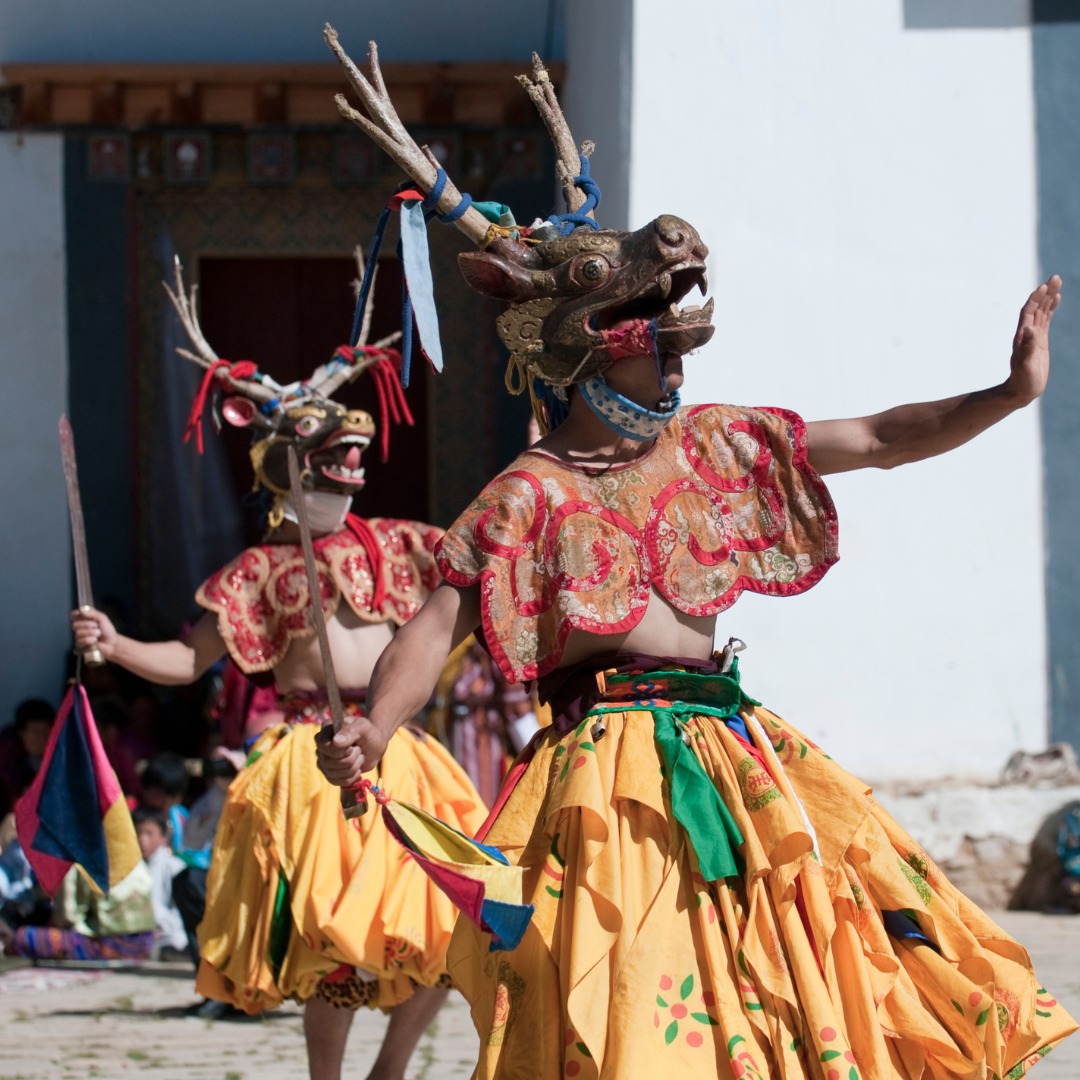
Venue: Tashichho Dzong courtyard and surrounding grounds.
Access: Fly into Paro airport, then drive 1.5 hours to Thimphu.
Thimphu's restaurants offer everything from momos and thukpa to modern cafés and bakeries.
For local flavour, look for red rice, ema datshi and local buckwheat pancakes.
Thimphu Tshechu is one of Bhutan's most attended festivals, drawing both rural pilgrims and foreign tourists.
Some cham dances are believed to protect viewers from misfortune in the year ahead – essentially a spiritual insurance policy.
You get living Buddhist culture in the day and a modern capital with lounges and craft shops by evening – ideal for guests who like their spirituality with good coffee.
5. Pang Lhabsol (Sikkim)
Dates: late August / early September, one main day with linked events around it.
Ideal stay: 2–3 days around Gangtok or West Sikkim to attend ceremonies and visit monasteries.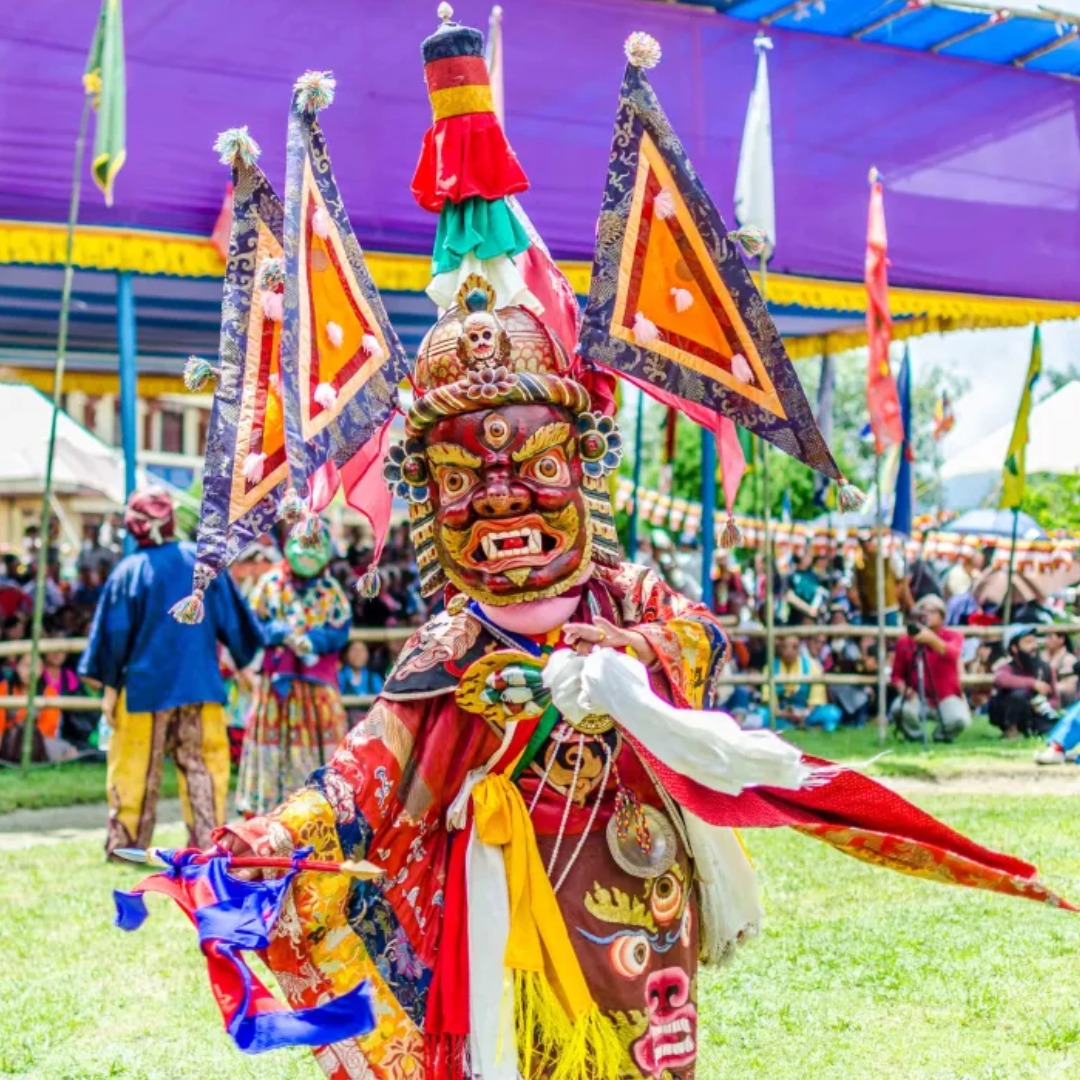
Venues: monasteries in Gangtok, Rabong, Yuksom and other centres.
Nearest airports: Pakyong (PYG) and Bagdogra (IXB); onward by road to Gangtok and West Sikkim.
Phagshapa (pork with radish), gyathuk/thukpa, Sikkimese gundruk and local millet beers.
Street stalls offer steaming momos – always a safe (and delicious) bet.
Pang Lhabsol is unique to Sikkim and symbolically re-affirms the historical pact between Lepchas, Bhutias and the land's protective deities.
Masked warrior dances are believed to have been introduced by the third Chogyal to honour Kanchenjunga.
The festival is intense yet not overcrowded, making it a favourite for travellers who want authenticity without needing elbow armour.
6. Losar (Sikkim)
Dates: February (varies by lunar calendar).
Ideal stay: 3–4 days, as celebrations continue over several days in monasteries and homes.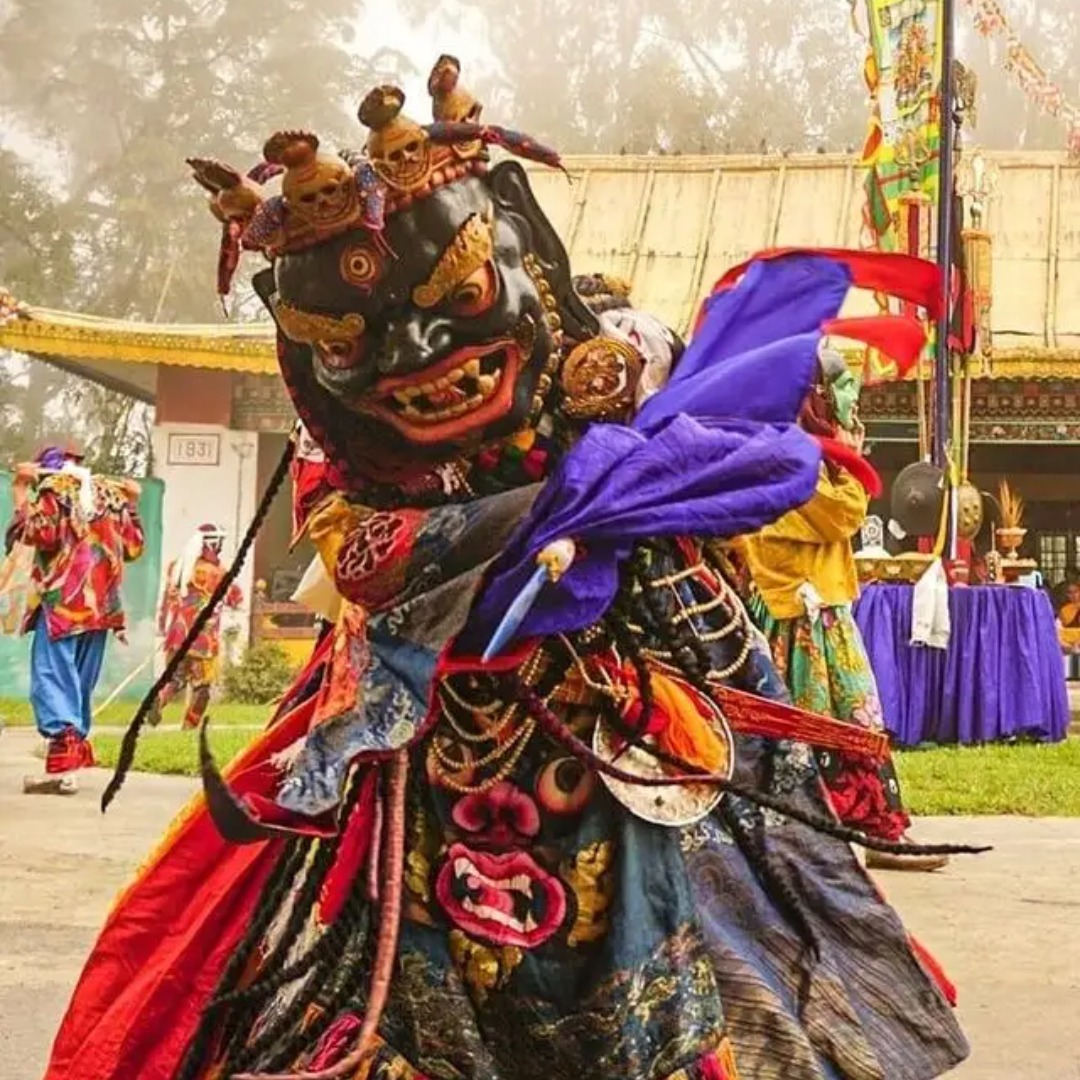
Venues: monasteries in Gangtok, Rumtek, Pelling, Ravangla and North Sikkim.
Access: Fly to Bagdogra or Pakyong, then drive to chosen base town.
Khapse (deep-fried New-Year biscuits), guthuk (special noodle soup) and butter tea.
Many hotels and homestays prepare festive menus that allow guests to join the celebrations.
Losar symbolises clearing out the old; some rituals involve symbolically throwing away bad luck from the past year.
In some monasteries, monks play huge long horns that sound like the Himalaya itself is exhaling.
Quiet roads, clear mountain views and genuine invitations to join family celebrations – Losar is winter in Sikkim at its most welcoming.
7. Rongali (Bohag) Bihu (Assam)
Dates: mid-April, around the Assamese New Year.
Ideal stay: 3–4 days to attend community events and add nearby sightseeing. Bihu.jpeg)
Venues: Guwahati city events plus village celebrations across Assam.
Nearest airports: Guwahati (GAU) and smaller airports in Jorhat, Dibrugarh, Silchar.
Pitha (rice cakes), laru (sweet balls), assorted fish curries, and elaborate Bihu thalis.
Many homes and community groups host open feasts, especially in rural areas.
There are three Bihus in a year, but Rongali Bihu is the most joyous, celebrating spring and the new agricultural cycle.
Bihu dance has become an ambassador of Assam, often performed at national and international cultural events.
Guests can experience real village life – from paddy fields to weaving – and still end the day in a comfortable city hotel.
8. Majuli Raas Mahotsav (Assam)
Dates: October/November, timed with Kartik Purnima.
Ideal stay: 2–3 nights to attend Raas performances and explore satras and island life.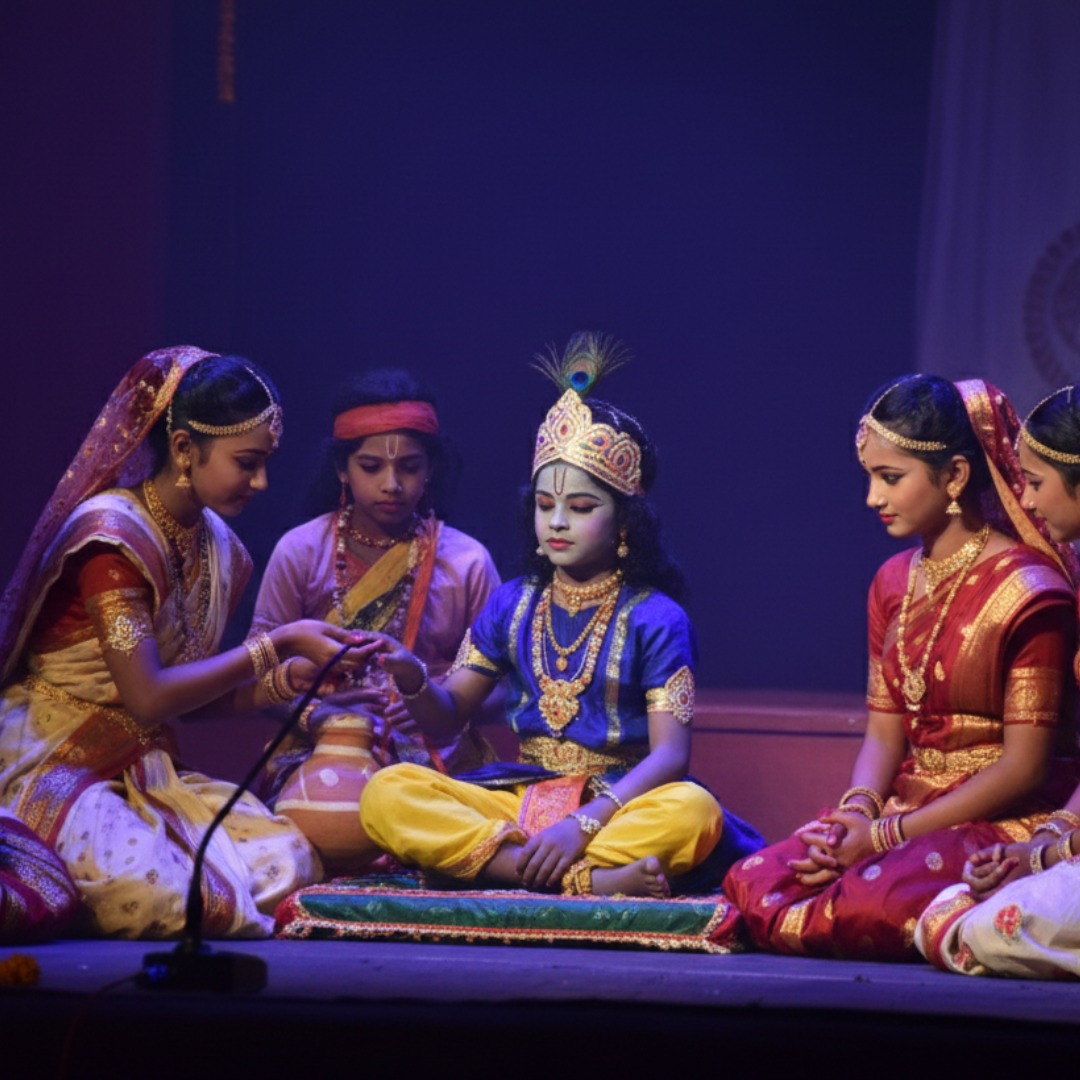
Venue: various satras on Majuli Island.
Nearest airport: Jorhat (JRH), about 48 km from the island.
From Jorhat: drive or take a cab to Nimati Ghat (20 km / about 1 hour), then ferry to Majuli.
Simple Assamese thalis, fresh river fish curries, rice beer and ethnic Mishing dishes.
Homestays often serve traditional meals on banana leaves.
Majuli is often called the world's largest river island, and Raas is one of its most important cultural events.
The satras preserved classical Ankiya Naat dance-drama created by saint Srimanta Sankardeva.
Raas turns the island into a living stage – ferries full of pilgrims, oil lamps on river banks and theatre that lasts till dawn.
9. Shillong Cherry Blossom Festival (Meghalaya)
Dates: mid- to late November, 3–4 days, coinciding with cherry blossoms.
Ideal stay: 3 nights to enjoy concerts plus nearby sightseeing.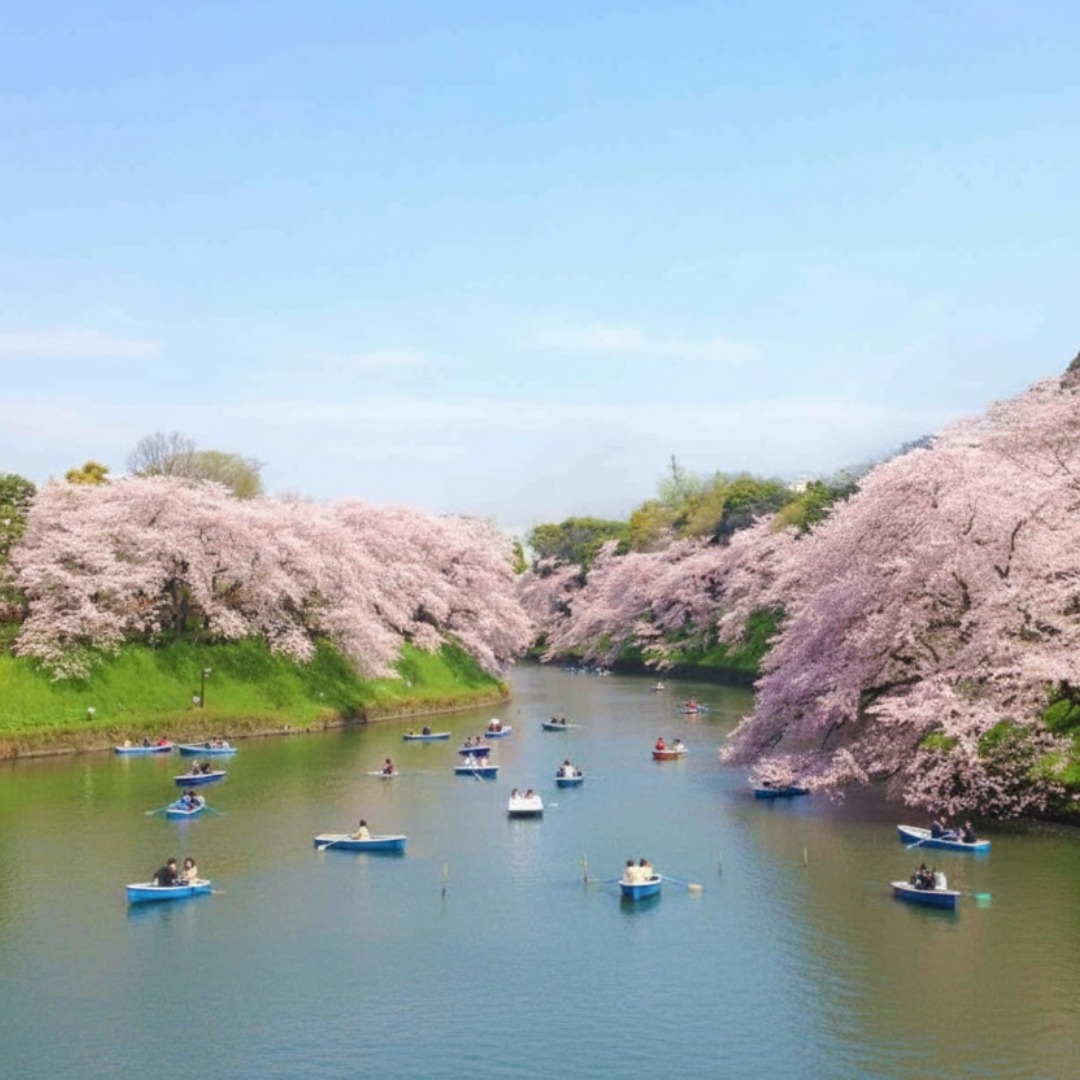
Venues: parks and grounds around Shillong, with older editions centred on Ward's Lake and Polo Ground.
Nearest airports: Shillong (SHL) for limited flights, or Guwahati (GAU) then 3-hour drive to Shillong.
Jadoh (rice with pork), dohneiiong (pork with black sesame), and Khasi street snacks.
Food trucks and stalls serve a mix of local and global festival food.
Promoted as India's first cherry blossom festival, it grew rapidly thanks to social media and K-culture fans.
Music, blossoms and cool Shillong evenings make it feel like a Himalayan city break with a K-pop filter.
10. Nongkrem Dance Festival (Meghalaya)
Dates: October/November, over five days; main dance ceremony usually on one key day.
Ideal stay: 2–3 days in Shillong with a dedicated festival day trip.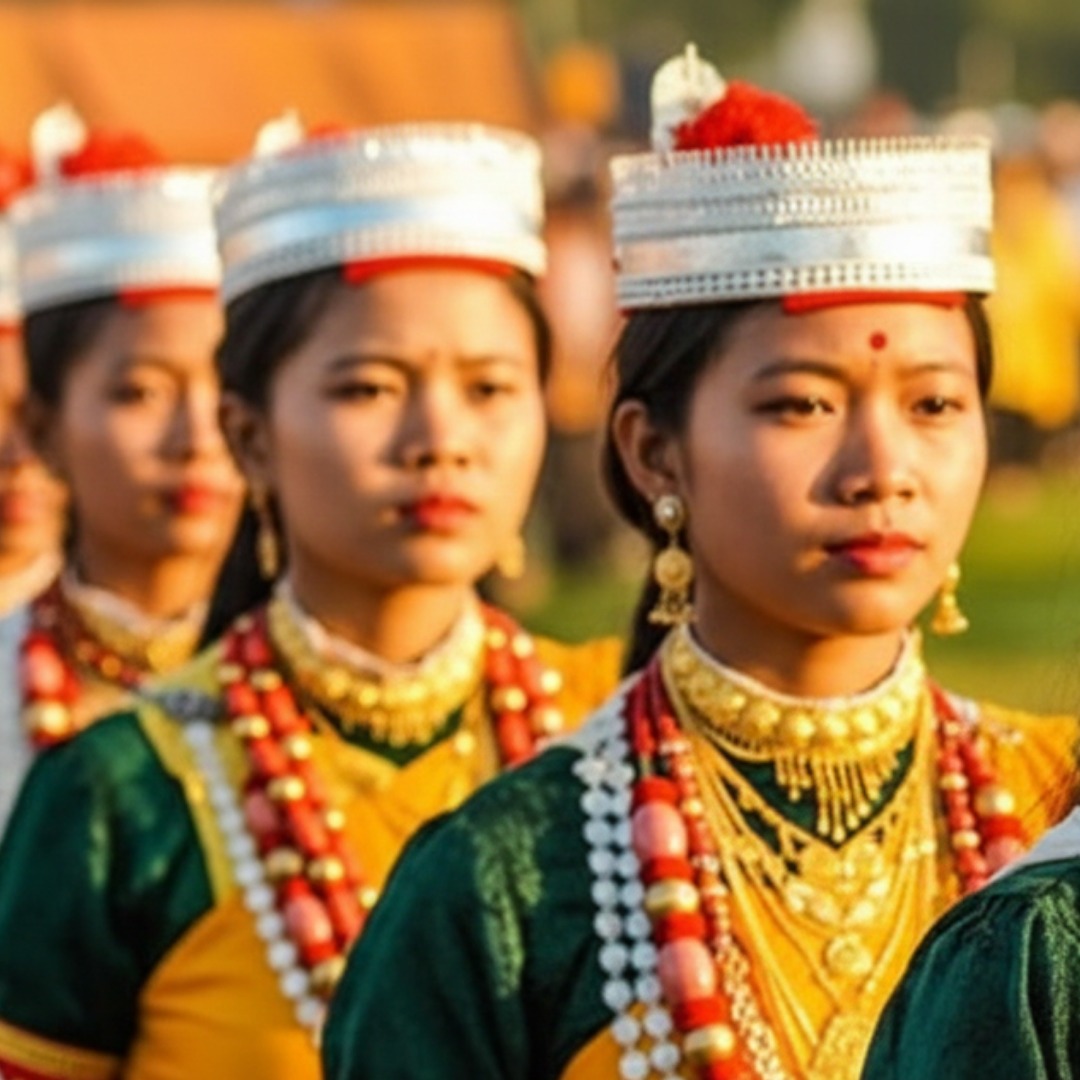
Venue: Smit, cultural seat of the Khasi state, about 15 km from Shillong.
Access: Fly to Shillong or Guwahati, stay in Shillong, then drive to Smit.
Home-style Khasi pork dishes, tungrymbai (fermented soya), and rice preparations, usually available at local stalls.
This festival is closely linked to matrilineal Khasi traditions and thanks-giving for good harvest and prosperity.
It is intimate and deeply traditional, ideal for travellers who prefer sitting quietly at the margins of rituals rather than being in the middle of a noisy crowd.
11. Wangala – 100 Drums Festival (Meghalaya)
Dates: November, 1–3 days of main events.
Ideal stay: 2–3 days around Tura or nearby villages.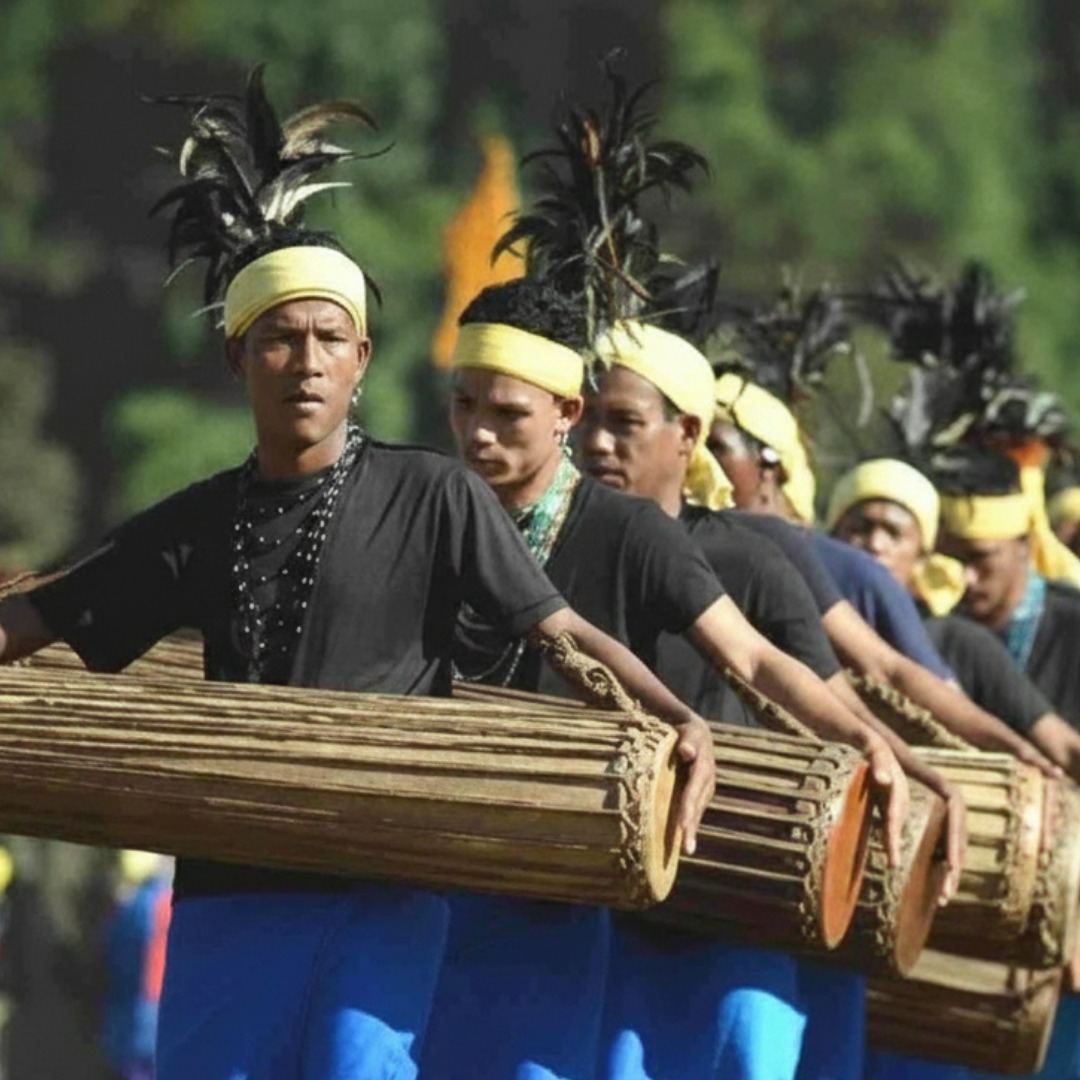
Venues: villages around Tura in Garo Hills.
Nearest airports: Guwahati or Shillong, then 6–8 hour drive to Tura.
Rice beer, smoked meats, bamboo-cooked rice and seasonal vegetables.
Celebrates Satyong, the sun god, and marks the end of the harvest season for Garo people.
The sound of dozens of traditional drums beating in sync in the middle of green hills is something you feel in your chest before your ears.
12. Tawang Festival (Arunachal Pradesh)
Dates: usually October or November, 3–4 days.
Ideal stay: 4–5 nights including travel days, due to long road journeys.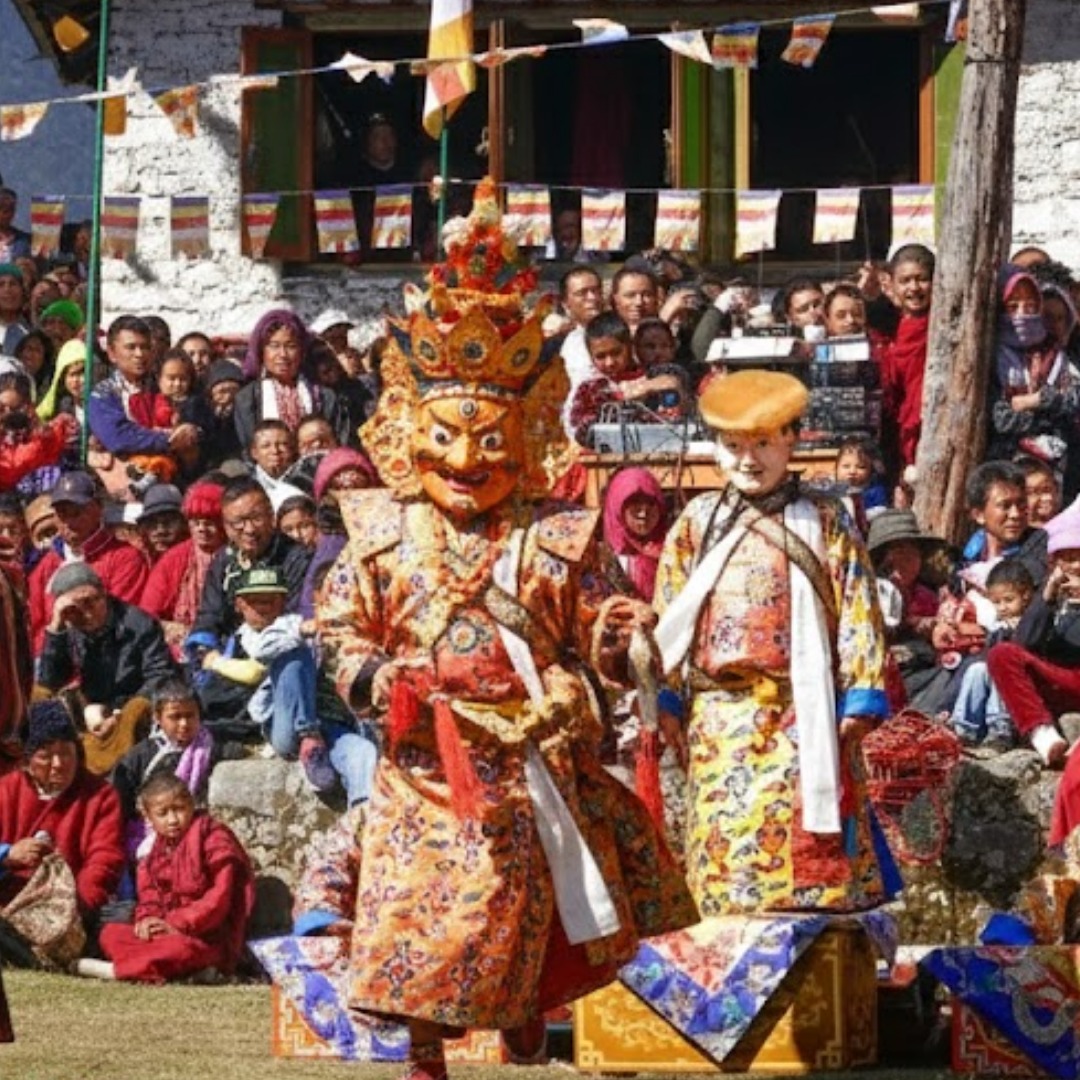
Venue: Tawang town and nearby grounds.
Nearest airports: Tezpur or Guwahati, then 2–3 days of road travel via Bomdila and Dirang; upcoming airports are improving access.
Thukpa, momos, butter tea and local Monpa dishes like zan (barley porridge).
Created as a tourism festival to showcase Monpa culture, textiles and adventure sports, often featuring bike rallies and paragliding demos.
You get festival shows by day and star-filled skies over the giant Tawang Monastery by night – a perfect excuse for travellers to finally tick "drive over Sela Pass" off their list.
Ready to plan your festival departure?