


Sikkim in Monsoon 2026: Is It Safe to Visit?
Real weather updates, road conditions, landslide risk areas, and the places that actually look better in the rain — everything you need before you book a monsoon Sikkim trip.
Every June, the same question lands on our WhatsApp at least a dozen times a day — "Is it safe to visit Sikkim right now?" And honestly, we get why people ask. Monsoon Sikkim has a reputation for landslides, blocked highways, and washed-out mountain passes. But it's also the season when Sikkim looks like nowhere else on earth — valleys turn the deepest green of the year, waterfalls swell up to full strength, and clouds roll through the pine forests like something out of a painting.
So is it safe? Mostly yes, with the right planning. This guide breaks down exactly what the monsoon weather looks like month to month, which roads are reliable and which need caution, the places that shine in the rain versus the ones you should skip, and a practical itinerary you can actually follow. No vague warnings, no scare tactics — just what you need to know before you book.
What's in this guide
How Is the Weather in Sikkim During Monsoon?
Monsoon Season Timeline
Monsoon usually rolls into Sikkim around the second week of June and stays till the third week of September. July and August carry the heaviest rainfall of the year, while June and September act as gentler transition months — lighter showers, more sunny breaks, and noticeably fewer crowds than peak season.
Average Temperature in Monsoon
Temperatures stay mild through the season, but altitude makes a real difference. Here's a quick reference for the regions most travellers visit:
What to Expect
- Frequent short showers rather than non-stop rainfall — most days still have a clear window in the morning or late evening
- Thick mist rolling over the ridgelines, occasionally hiding the Kanchenjunga view for a day or two at a stretch
- Reduced visibility at high viewpoints, especially by mid-afternoon
- In exchange, you get the greenest valleys and the strongest, most photogenic waterfalls of the entire year

Is It Safe to Visit Sikkim During Monsoon in 2026?
Safety Overview
Yes, monsoon travel in Sikkim is generally safe for tourists. Thousands of travellers do this trip every July and August without any issue. The risks here are almost entirely weather-related, not crime or health-related, and they're manageable with a good local driver, a flexible itinerary, and up-to-date road advisories.
Landslide Risks
NH10 (the Siliguri–Gangtok highway) and a few North Sikkim stretches are the most landslide-sensitive sections during heavy spells. The Border Roads Organisation and state PWD keep clearance crews on standby through the season, so most blockages are cleared within hours rather than days — unless the rainfall is genuinely extreme. Watch-points worth knowing about include the stretches near Teesta Bazar, Melli, and the approach to Chungthang on the North Sikkim route.
Travel Advisory for Families
- Senior citizens: avoid back-to-back high-altitude drives in a single day; build in rest stops
- Children: carry motion-sickness medicine and plan frequent short breaks on long drives
- Solo travellers: stick with shared cabs or known tour operators rather than self-driving unfamiliar mountain roads, and always share your day's itinerary with someone back home
When You Should Avoid Travel
Hold off on travel if the IMD issues a red or orange weather warning for the North Bengal or Sikkim hills that day, or if a route has just been closed by a landslide with no confirmed clearance time. It's always better to wait a few hours than push through.
Current Road Conditions in Sikkim During Monsoon
Siliguri to Gangtok Road Status
NH10 is the lifeline route into Sikkim — roughly 4.5 to 5 hours in good weather, stretching to 6 to 7 hours during heavy rain because of slow-moving traffic and short, temporary stoppages. The road generally stays open with intermittent one-way clearance even through moderate rain spells.

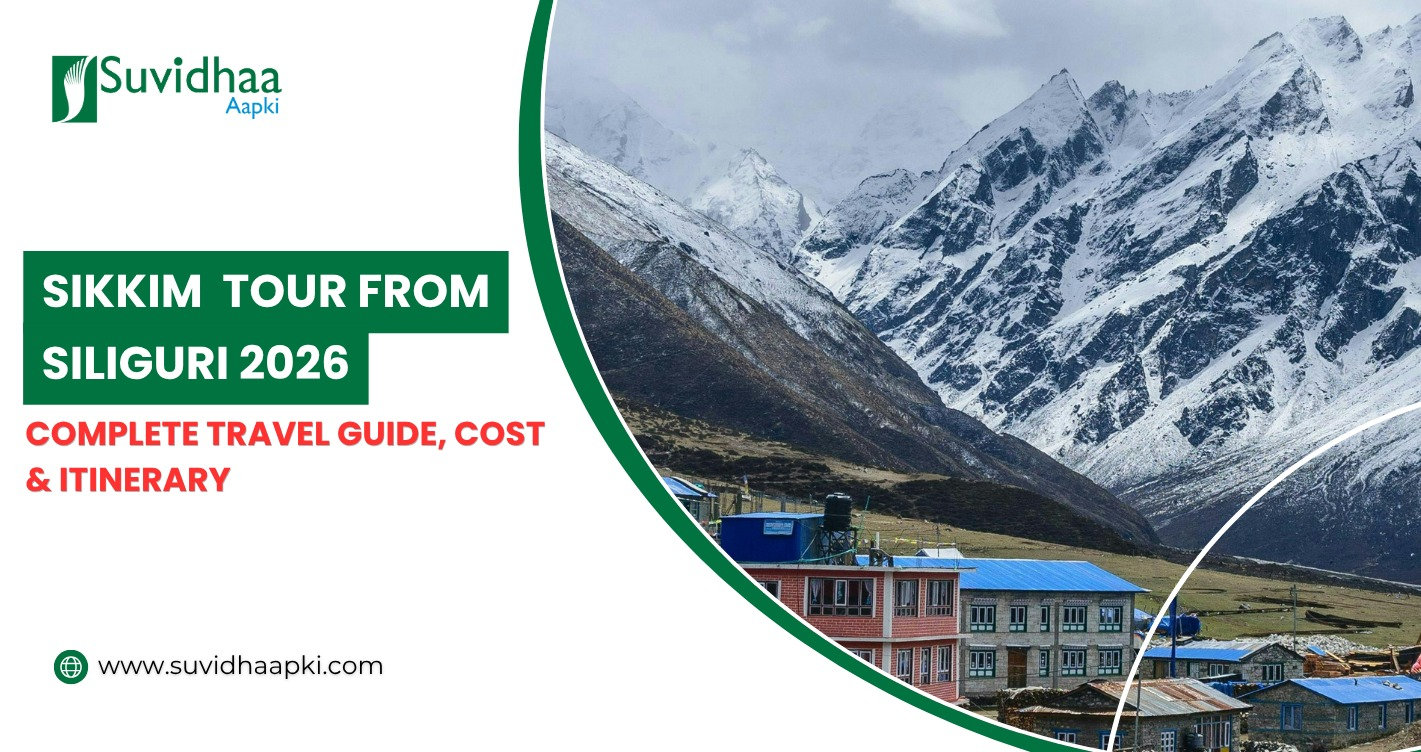
Planning your arrival? Read our complete Sikkim Tour from Siliguri 2026 Guide for cost, route, and timing details.
Gangtok to North Sikkim Roads
The Lachung and Lachen routes pass through some of the more landslide-sensitive zones, particularly around Chungthang. North Sikkim permits can be temporarily paused by the district administration if road conditions worsen, so always reconfirm with your operator a day before departure. The Gurudongmar route, sitting above 17,000 ft, is the single most weather-sensitive stretch in the entire state — fog rolls in fast and without much warning.

Gangtok to Pelling Route
This route runs via the Ravangla/Namchi side and is generally smoother and far less landslide-prone compared to North Sikkim. Expect around 5 to 6 hours depending on stops, with only minor delays after particularly heavy overnight rain.
Local Transport Availability
Shared cabs continue running from Gangtok's main taxi stand as usual, though frequency dips slightly on bad-weather days. Private vehicles and tour operator cars remain the most flexible option since drivers can adjust routes and timing on the go. Always travel with an operator who has current permit and route knowledge for North Sikkim.
Best Places to Visit in Sikkim During Monsoon
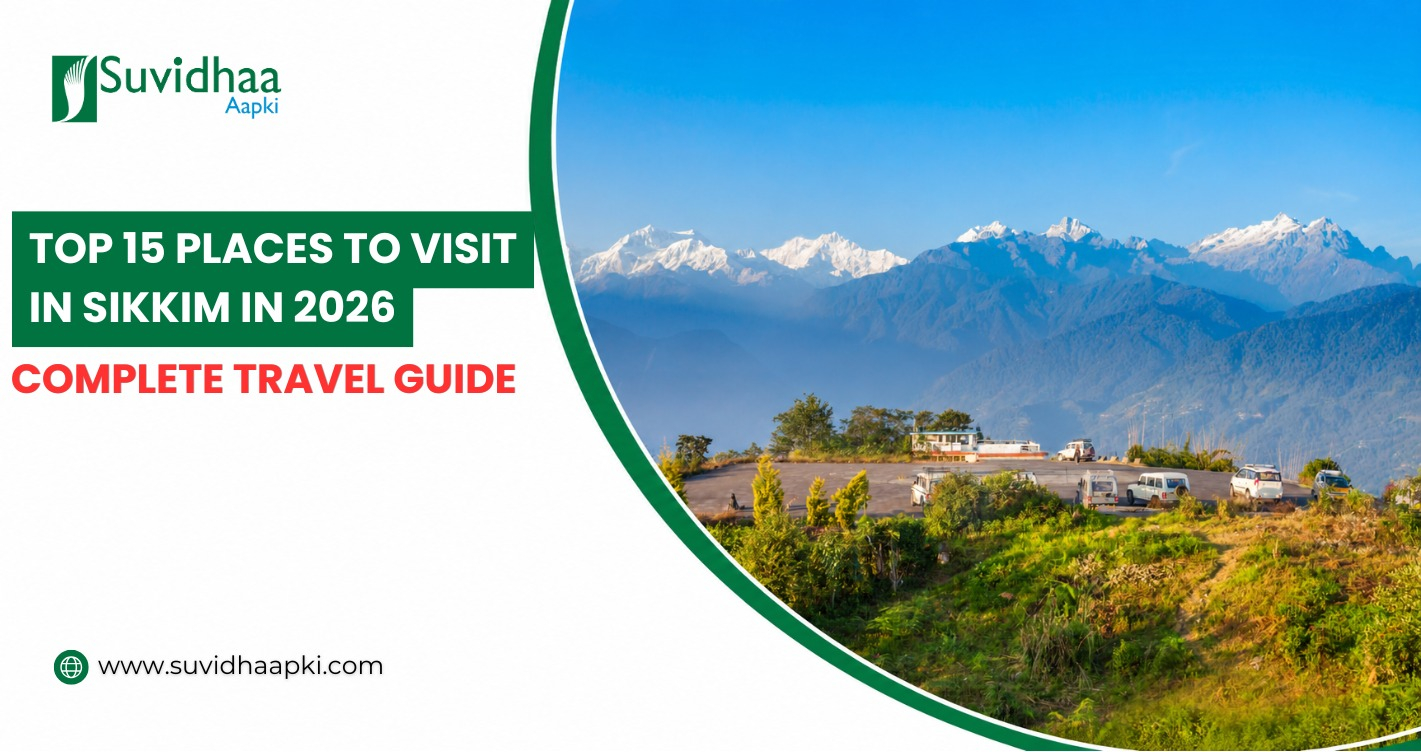
Not every part of Sikkim suffers in the rain — quite a few destinations are actually at their most beautiful right now. For a full breakdown of every must-see spot across the state, check our Top 15 Places to Visit in Sikkim guide.
Gangtok
MG Marg evening walks, Hanuman Tok, and Ganesh Tok all work well even in light rain, with indoor options nearby as backup.
Ravangla
Home to Buddha Park, which looks stunning with green hills and drifting mist as the backdrop.
Namchi
Char Dham and Samdruptse offer misty monastery views with far fewer crowds than peak season.
Pelling
Sky Walk and Pemayangtse Monastery remain accessible, though Kanchenjunga viewpoints may stay cloud-covered.
Temi Tea Garden
Arguably at its greenest all year — the best season for tea garden photography, hands down.
Buddha Park
The 130-ft statue framed against monsoon clouds is one of the most striking sights in the state right now.
Waterfalls That Look Best During Monsoon
- Seven Sisters Waterfall — swells up dramatically and is one of the most photographed monsoon stops on the Gangtok route
- Banjhakri Falls — lush surroundings with a family-friendly park setup around the falls
- Naga Falls — close to the Ravangla route, running at full strength through the rainy months
Combining Gangtok with these stops? Our Gangtok Tour from Siliguri guide has the full cost and route breakdown.
Places to Avoid During Heavy Rainfall
A handful of high-altitude spots are genuinely weather-dependent in monsoon, and it's worth knowing about them before you build them into your plan.
Gurudongmar Lake — Sitting above 17,000 ft, this route is frequently closed by the administration during or right after heavy rain or unseasonal snowfall at that elevation.
Yumthang Valley — The approach road is landslide-prone and often shut for a day or two following heavy spells.
Zero Point — Permit-dependent and located beyond Yumthang, so it's usually the first stop paused when conditions turn bad.

High Altitude Routes During Severe Weather
Permits for North Sikkim beyond Chungthang are reissued day by day by the local administration, based purely on current road and weather status. Even with a confirmed booking, be mentally ready for last-minute itinerary tweaks — it's simply how the region operates in monsoon.
Advantages of Visiting Sikkim in Monsoon
- Lower hotel prices — off-season rates run 20–40% lower than peak season at most properties
- Fewer tourists — no crowds at viewpoints, easier bookings, a far more relaxed pace overall
- Beautiful green landscapes — Sikkim's hillsides are never as vivid as they are in July and August
- Photography opportunities — misty shots and dramatic cloud cover make for some of the best content of the year
- Monsoon waterfalls at their best — every falls on your route will be running at full strength
Challenges of Traveling in Monsoon
- Landslides — possible on a handful of known stretches, usually cleared within hours
- Road delays — journeys can take 1–2 hours longer than the dry-season average
- Limited mountain views — Kanchenjunga can stay hidden behind cloud cover for days at a stretch
- Sudden weather changes — a clear morning can turn into a heavy afternoon shower with little warning
Essential Travel Tips for Sikkim Monsoon Trips
Carry Waterproof Gear
A proper waterproof jacket beats an umbrella on most days — you'll need free hands on uneven, wet terrain.
Choose Experienced Drivers
Local drivers know exactly which stretches to avoid and what time of day is safer to attempt them.
Keep Buffer Days in Your Itinerary
Build in at least one buffer day for any trip of five days or longer, purely to absorb unexpected weather delays.
Book Flexible Accommodation
Free cancellation or rescheduling matters more in monsoon than in any other season — always check this before booking.
Stay Updated on Weather Forecasts
Check IMD Gangtok bulletins and local Sikkim Tourism updates each morning before heading out.
Keep Digital and Physical Copies of Permits
Network connectivity gets patchy in North Sikkim — a physical printout of your permit is non-negotiable.
What to Pack for Sikkim in Monsoon
Suggested 5-Day Sikkim Monsoon Itinerary
1
Arrival at Gangtok
Drive in from Siliguri or Bagdogra, check in, and spend the evening walking MG Marg.
2
Gangtok Sightseeing
Hanuman Tok, Ganesh Tok, Banjhakri Falls, and a Tashi viewpoint stop if the weather cooperates.
3
Ravangla and Namchi
Buddha Park, Char Dham, and a drive-through stop at Temi Tea Garden.
4
Pelling Excursion
Pemayangtse Monastery, the Sky Walk, and the Rabdentse ruins.
5
Return to Siliguri
Morning departure with extra buffer time built in for road conditions.
Explore our customised Sikkim Tour Packages for a hassle-free monsoon vacation, including options like the Relaxing Sikkim Tour covering Gangtok, Lachung, Pelling and Darjeeling.
Frequently Asked Questions
Is Sikkim safe in July 2026?
Yes, with normal monsoon precautions. Check road advisories each morning, travel with an experienced operator, and keep buffer days in your plan.
Can I visit North Sikkim during monsoon?
It's possible, but subject to day-to-day permit and road status. Lachung and Lachen trips usually run through, but always reconfirm a day before departure.
Does Nathula Pass remain open during rainy season?
It stays open on most days but is occasionally closed by the army or administration in heavy rain or poor visibility. Keep it flexible rather than central to your plan.
Which month receives the highest rainfall in Sikkim?
July and August typically see the heaviest rainfall spells of the year.
Is a self-drive trip recommended during monsoon?
Not really. Mountain roads, sudden fog, and landslide-prone stretches make experienced local drivers a much safer choice.
Are permits affected during bad weather?
Yes. North Sikkim permits in particular can be paused or rerouted day to day based on current conditions.
Final Verdict: Should You Visit Sikkim in Monsoon 2026?
Who should visit
Photographers, nature lovers, budget travellers, and anyone comfortable with a flexible plan will get one of the greenest, least crowded versions of Sikkim all year.
Who should avoid monsoon travel
Travellers on a very tight schedule, those who need a guaranteed Kanchenjunga view, or anyone uncomfortable with last-minute itinerary changes may want to consider October–December instead.
Best travel strategy
- Build in at least one buffer day
- Book through an experienced local operator who tracks permits and road status daily
- Stay weather-aware each morning rather than relying on a fixed plan
Done right, a monsoon Sikkim trip is one of the most rewarding — and most affordable — ways to see the state.
Planning a Sikkim trip this monsoon?
Talk to our team for a custom, weather-flexible itinerary — built by people who track these roads every single day.