


Bhutan is one of those rare destinations that feels magical in every season. In spring, valleys bloom with rhododendrons. During autumn, the Himalayan skies turn crystal clear. Winter brings snowfall and peaceful monasteries, while monsoon paints the mountains a deep, vivid green.
But when is the best time to visit Bhutan from India? That's the question every traveler asks — and honestly, the answer depends on the kind of experience you're looking for.
Whether you're planning a romantic honeymoon, a family holiday, a budget backpacking trip, or a photography expedition — the season you choose will completely shape your Bhutan experience. In this 2026 Bhutan travel guide, we break down Bhutan's weather month by month so you can plan the perfect trip.
Bhutan is a small Himalayan kingdom, but its geography creates dramatic climate differences across the country. The altitude varies massively — from subtropical valleys near the Indian border to alpine peaks above 7,000 metres. This means the weather in Paro, Thimphu, Punakha, and Phobjikha can all feel very different on the same day.
Bhutan weather by month is influenced by three major factors: altitude, monsoon winds from the Bay of Bengal, and the shadow of the Himalayas. As a traveler from India, you'll find Bhutan's climate familiar in some ways — but far more dramatic in its extremes.
Cool and dry most of the year. Best for Tiger's Nest trekking.
Mild summers, cold winters. Capital city vibes year-round.
Warm and pleasant even in winter. Famous for its riverside dzong.
High-altitude valley. Best visited in autumn and winter for crane sightings.
If there is one season that makes Bhutan look like a painting, it's spring. From March to May, the valleys transform with blooming rhododendrons in shades of red, pink, and white. The temperature is pleasant — hovering between 15°C and 22°C across most tourist zones — making it ideal for outdoor sightseeing and trekking.
March and April are perfect for trekking to Tiger's Nest Monastery (Taktsang) in Paro. The trail is comfortable, the views are stunning, and the mountain air is crisp and clear. April is widely considered one of the best sightseeing months in all of Bhutan.
Best for: First-time travelers, families, couples, and trekking enthusiasts. The crowds are manageable and the experience is well-rounded.
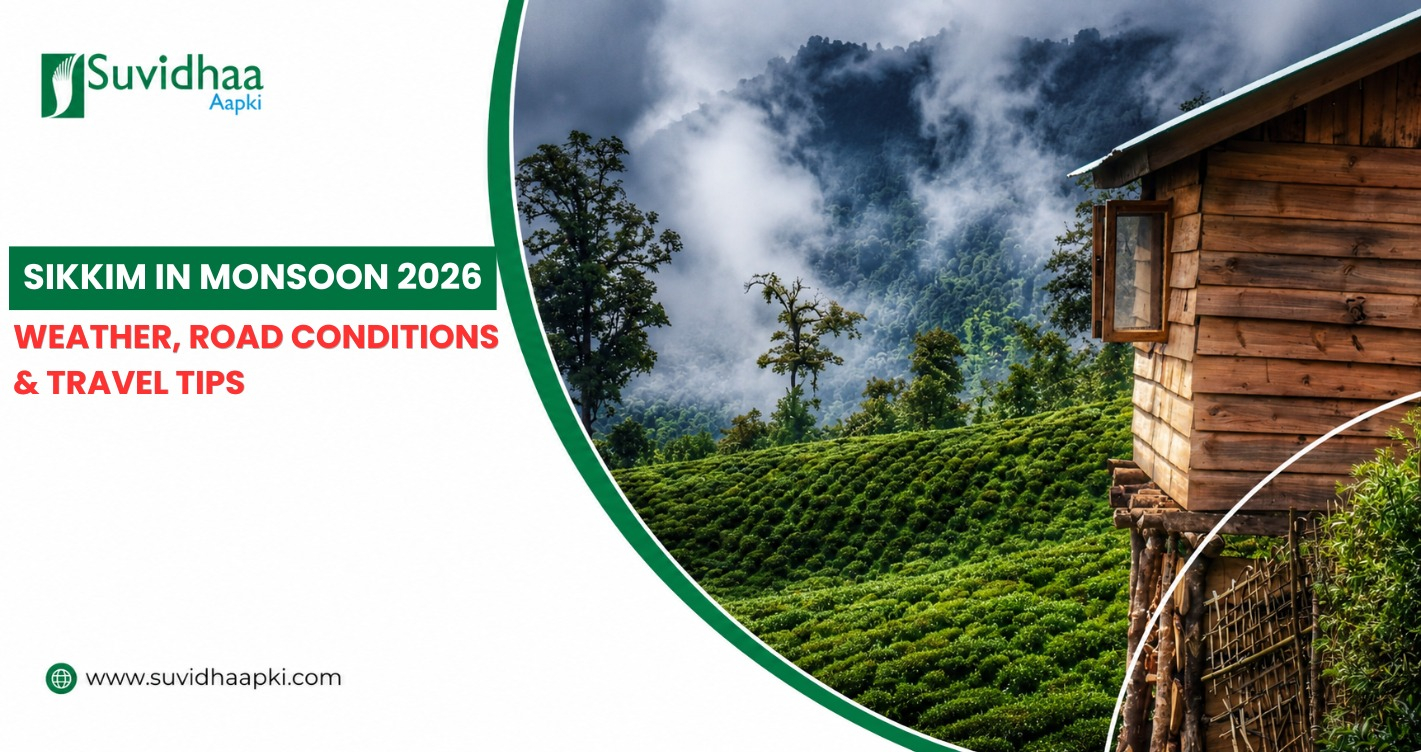
Short answer — yes, if you know what to expect. The monsoon brings heavy rainfall between June and August, which most tourists try to avoid. But this is also when Bhutan reveals a different kind of beauty: deep green valleys, roaring waterfalls, terraced rice fields bursting with life, and an almost ethereal mist over the mountains.
The biggest advantage? This is the cheapest time to visit Bhutan. Hotel rates are lower, tourist crowds thin out significantly, and the overall experience is far more authentic and unhurried.
The main challenges are road conditions — especially if you're entering from Jaigaon or Phuentsholing. Landslides are occasional on mountain roads, so it's wise to keep buffer days in your itinerary and stay updated on weather forecasts.
Autumn is widely regarded as the peak tourist season in Bhutan — and for very good reason. From September to November, the skies clear completely after monsoon, Himalayan views become sharper than ever, and the country comes alive with some of its most vibrant festivals.
October is the single best month to visit Bhutan. Temperature ranges between 10°C and 20°C, which feels perfect for walking through dzongs, exploring monasteries, and hiking in the hills. The air is dry, visibility is excellent, and the golden light in the afternoons is a photographer's dream.
Two major festivals fall during this season:
If you want to experience Bhutan at its most colourful, culturally rich, and visually stunning — plan for September to November.
For a full overview of what festivals happen across the Eastern Himalayan region, check out the Festival Calendar of the Eastern Himalaya: 12 Must-Visit Events — it's a great planning companion.
Winter in Bhutan is a hidden gem that most travelers overlook — and that's exactly what makes it so special. Between December and February, the country transforms into a quiet, snow-dusted Himalayan paradise. Tourist footfall drops dramatically, giving you a more private, peaceful experience of temples and monasteries that are usually crowded during peak season.
The Bhutan snowfall season is most dramatic at the Dochula Pass (elevation 3,100m), where the 108 memorial chortens covered in snow create one of the most photographed scenes in the country. The Phobjikha Valley also becomes magical in winter, as it's the wintering ground of rare Black-Necked Cranes that migrate from Tibet.
Winter Bhutan is hands-down the best setting for a romantic honeymoon trip. Snow-capped peaks, crackling fireplaces, fewer tourists, and a deeply peaceful atmosphere — it doesn't get more cinematic than this.
The one trade-off: temperatures can drop to 0°C or below, especially at night. Pack warm layers and be prepared for cold mornings. Hotel rooms with heating and hot water are standard, so the experience is comfortable if you plan well.
Not all Bhutan trips are the same — and neither should your timing be. Here's a quick guide to help you choose your ideal travel window based on what you want out of the trip.
If you want to explore the full range of Bhutan's sights in a structured itinerary, take a look at the Bhutan Tour from Siliguri 2026: Cost, Route & Itinerary Guide — it covers everything from departure points to day-by-day plans.
Bhutan's festivals — called Tsechus — are not just tourist attractions. They are deeply sacred events woven into the country's Buddhist identity. Attending a Tsechu is one of the most authentic experiences you can have in Bhutan.
Planning around a festival can make your Bhutan trip significantly more memorable. Explore our Eastern Himalaya Festivals Calendar for dates and details on the region's top cultural events.
Bhutan is one of the most accessible international destinations for Indian travelers — no passport required, no visa fees, and direct road access from the Northeast. But there are a few things you must know before you go.
If you want the perfect balance of weather, sightseeing, festivals, and Himalayan views — October and April are the two best months to visit Bhutan from India.
October gives you the full festival experience, crystal-clear skies, and ideal temperatures. April offers blooming landscapes, comfortable trekking conditions, and a quieter version of Bhutan before the summer rush.
That said, every season offers a completely different side of Bhutan — from peaceful snowfall in winter to budget-friendly monsoon trips. The best time is ultimately the one that matches what you're looking for.
October and April are considered the best months. October offers peak festival season, clear Himalayan views, and perfect weather. April is ideal for flower-filled landscapes and comfortable trekking conditions. Both months represent Bhutan at its most beautiful and accessible.
Yes, Bhutan is generally safe during the monsoon season. However, occasional landslides on mountain roads can cause travel delays. It's advisable to keep buffer days in your itinerary and travel with a reliable local tour operator who can track road conditions.
Yes! Bhutan receives beautiful snowfall from December to February. The Dochula Pass (3,100m) is the most popular spot, offering a stunning sight of 108 chortens draped in snow. Phobjikha Valley and higher altitude areas also see significant snowfall in peak winter months.
October is widely regarded as the single best month to visit Bhutan. The weather is perfect, the Himalayan views are at their clearest after monsoon, and major festivals like Thimphu Tsechu and Paro Tsechu fall during this period. Expect higher hotel rates and slightly more crowds due to peak season demand.
June to August is the most budget-friendly time to visit Bhutan. Hotels drop their rates, tourist crowds are minimal, and you'll enjoy a lush, green, quiet Bhutan. The trade-off is heavier rainfall and occasional road disruptions during the monsoon.
Absolutely. Winter (December to February) is a fantastic time for Indian travelers, especially couples looking for a romantic honeymoon destination. The snow-covered landscapes, peaceful monastery visits, and very few crowds create a deeply personal and memorable Bhutan experience. Just pack warm clothing.
A minimum of 5 nights / 6 days is recommended to cover Phuentsholing, Thimphu, Paro, and Punakha comfortably. For a more relaxed itinerary including Phobjikha Valley or Bumthang, 7 to 8 days is ideal. Check our full Bhutan Tour Itinerary Guide for day-wise planning.
Planning your Bhutan trip from Siliguri or Bagdogra? Let Suvidhaa Aapki take care of everything — permits, accommodation, transport, and curated itineraries for every season.
Suvidhaa Aapki Travel Team
Based in Siliguri, West Bengal. Specialized in Bhutan, Sikkim, Darjeeling & North-East India travel. Helping Indian travelers plan safe, memorable, and well-organized Himalayan journeys since 2015.
📌 Best Time to Visit Bhutan — At a Glance
Season
Months
Best For
🌸 Spring
March to May
Flowers, sightseeing, trekking
🌿 Summer / Monsoon
June to August
Budget trips, lush greenery
🍂 Autumn
September to November
Festivals, photography, clear skies
❄️ Winter
December to February
Snowfall, honeymoon, fewer crowds
Bhutan Weather Overview
Paro
Thimphu
Punakha
Phobjikha
Spring Season in Bhutan (March to May)
Why Spring Is One of the Best Times to Visit Bhutan
Summer & Monsoon Season in Bhutan (June to August)
Is Bhutan Worth Visiting During Monsoon?
Autumn Season in Bhutan (September to November)
Best Season for Clear Himalayan Views & Festivals
Winter Season in Bhutan (December to February)
Best Time to Experience Snowfall in Bhutan
Bhutan Weather by Month — Complete 2026 Guide
Month
Temperature
Travel Experience
JAN January
Very Cold (−2°C to 12°C)
Snowfall & peaceful monasteries
FEB February
Cold (0°C to 14°C)
Budget-friendly, quiet travel
MAR March
Pleasant (5°C to 18°C)
Flower season begins, great for walks
APR April
Mild (10°C to 22°C)
Best sightseeing month — clear skies
MAY May
Warm (14°C to 25°C)
Ideal for trekking, rhododendrons in bloom
JUN June
Rainy (16°C to 26°C)
Lush green landscapes, heavy rainfall
JUL July
Rainy (18°C to 27°C)
Lowest tourist crowd of the year
AUG August
Rainy (17°C to 26°C)
Cheapest travel season, misty valleys
SEP September
Pleasant (12°C to 23°C)
Festival season starts, greenery remains
OCT October
Cool (8°C to 20°C)
⭐ Best overall month to visit
NOV November
Cold (3°C to 16°C)
Crystal-clear Himalayan views
DEC December
Very Cold (−2°C to 10°C)
Snow & winter beauty, romantic atmosphere
Best Time to Visit Bhutan Based on Travel Style
Important Bhutan Festivals to Experience
Travel Tips for Indians Visiting Bhutan (2026)
Final Verdict — Which Is the Best Month to Visit Bhutan?
🏆 Our Top Recommendation
Frequently Asked Questions
Which is the best month to visit Bhutan from India?
Is Bhutan safe during monsoon (June to August)?
Does Bhutan receive snowfall? Where is the best place to see snow?
Is October really the best month for Bhutan?
What is the cheapest time to visit Bhutan?
Can Indians visit Bhutan in winter? Is it worth it?
How many days are enough for a Bhutan trip?
Ready to Plan Your Bhutan Trip?
📋 Table of Contents